Small-batch coffee roasters, by the sea

Roasted where the tide turns.

Light roasts that taste like cool water and morning fruit. Dark ones that taste like a fire on the sand. Five coffees, roasted twice a week, in a drum the size of a rowing boat's bench.

  • 5 coffees
  • 250 g whole-bean bags
  • 2 roast days a week
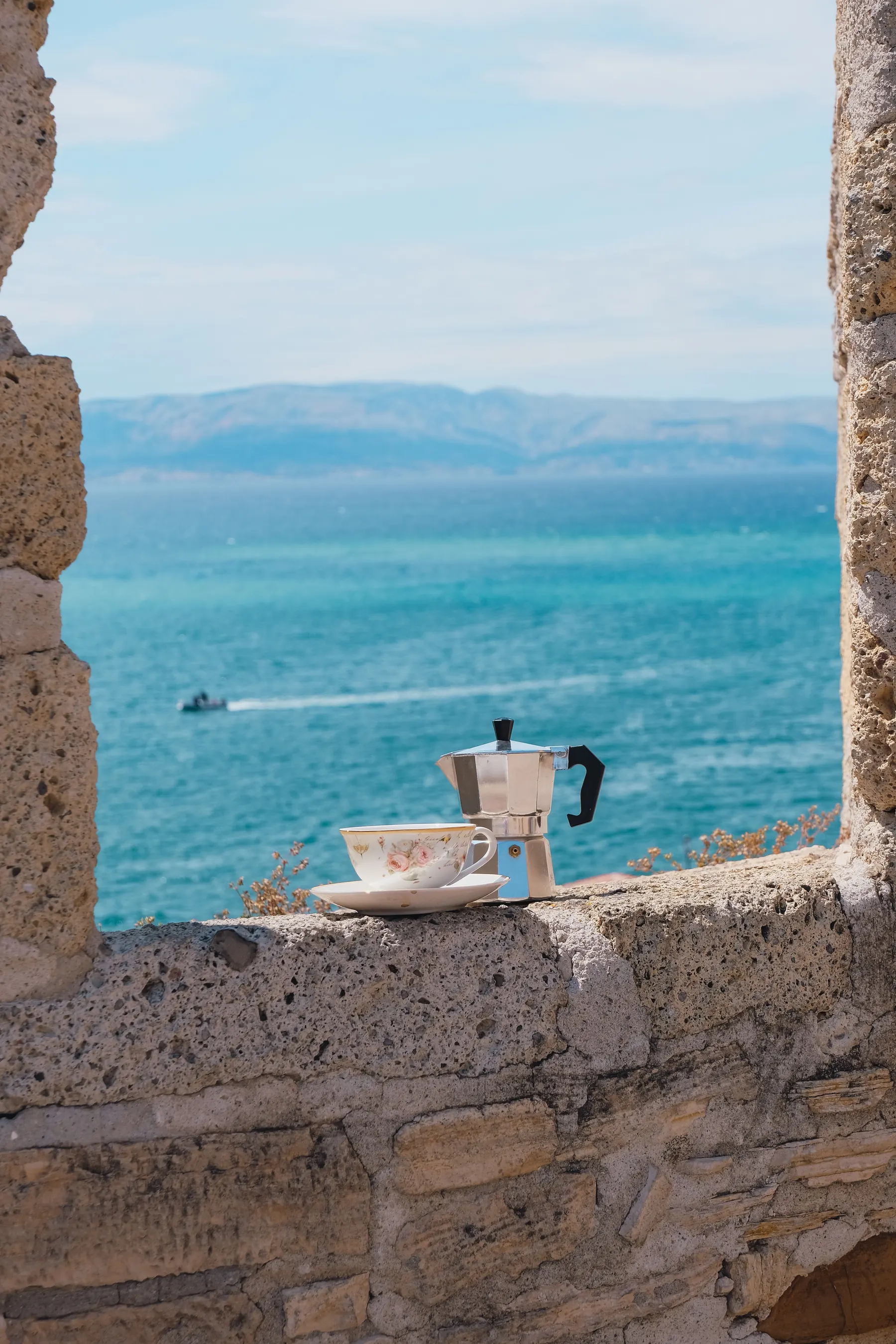
A stovetop moka pot and cup resting on a stone ledge, framed by an old window opening, with a turquoise sea behind.
A moka pot above the harbour wall: where this roaster would drink its first cup.
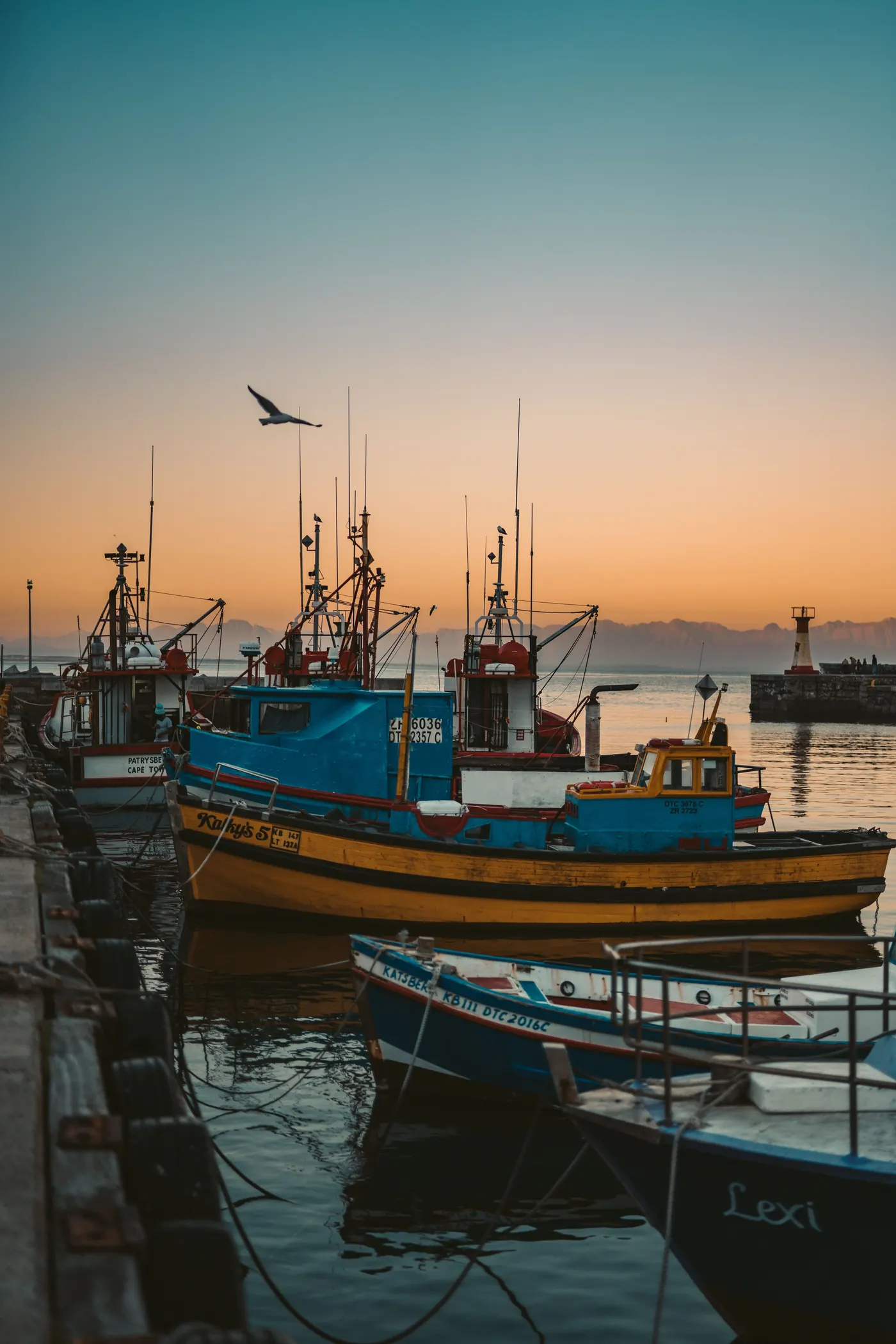
Fishing boats moored in a harbour at dusk under an orange and teal sky.
Harbour, last light. The kind of evening we roast for.

The idea

Two elements, one cup.

Tide is patience. It is cool water, early light and the quiet fruit in a carefully washed coffee. Ember is heat. It is caramel, cocoa and the last glow in a dark roast. We started Tide & Ember because we kept finding that the best cups lived where the two meet.

So we roast each coffee with a simple rule: give it the gentlest heat that gets the job done, then finish with just enough fire to bring out its sweetness. Nothing is burnt for drama. Nothing is rushed for the schedule.

“A good roast should taste like the place the coffee came from, not like the roaster.”

The house rule at Tide & Ember
Drum batch size
12 kg
Coffees in the range
5
Roast days each week
2
Hours rested before bagging
48 h

The range

Pick a coffee, or let us pick.

Tell us how you brew and what you want in the cup. We will point at one of five coffees. Or skip that and browse the range yourself.

Match me

How do you brew?
What do you want in the cup?

Choose one option in each row and we will highlight a coffee below.

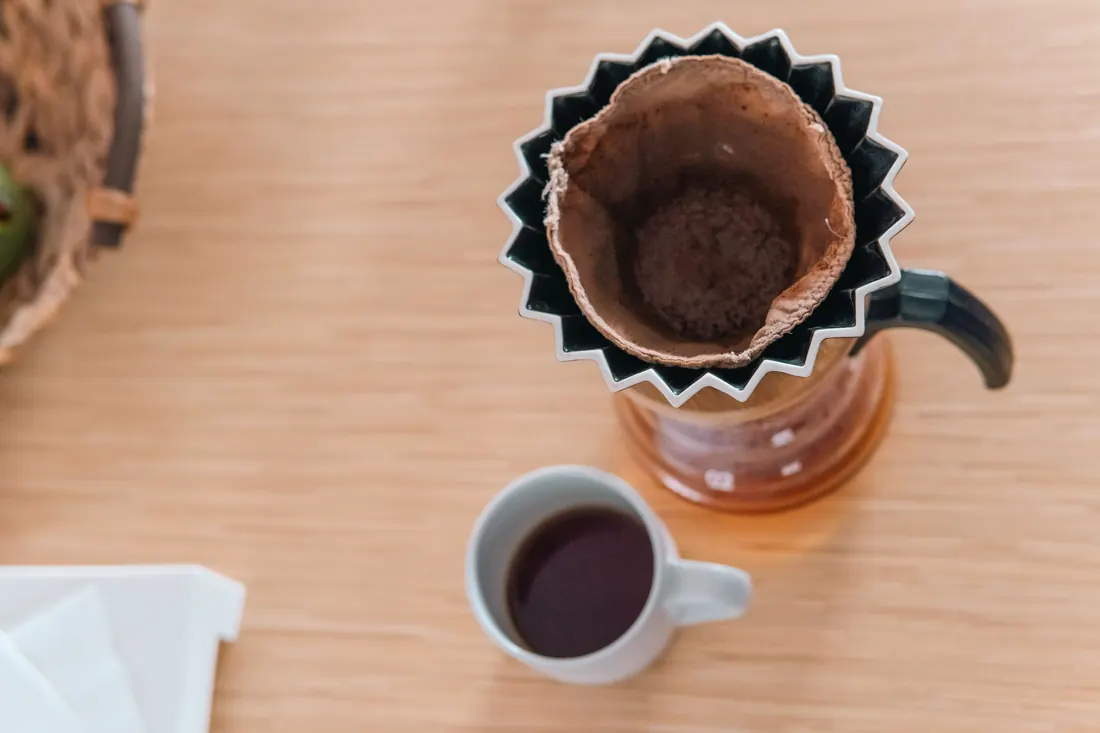
A ceramic pour-over dripper with a spent filter of grounds beside a small cup, seen from above on a pale wooden table.

Harbour Light

Ethiopia · Washed · Light roast

The first cup of a clear morning. Floral and lemony up front, with a peachy sweetness that lingers as it cools. Best slow and clean.

  • Jasmine
  • Lemon curd
  • White peach
Acidity
5 out of 5
Sweetness
3 out of 5
Body
2 out of 5
Roast depth
1 out of 5

Brew recipes are friendly starting points, not rules. Adjust the grind a notch finer if the cup tastes thin or sour, coarser if it tastes bitter or dry.

From seed to cup

Five steps, no shortcuts.

Every bag follows the same five steps. Scroll through them to see where the tide ends and the ember begins.

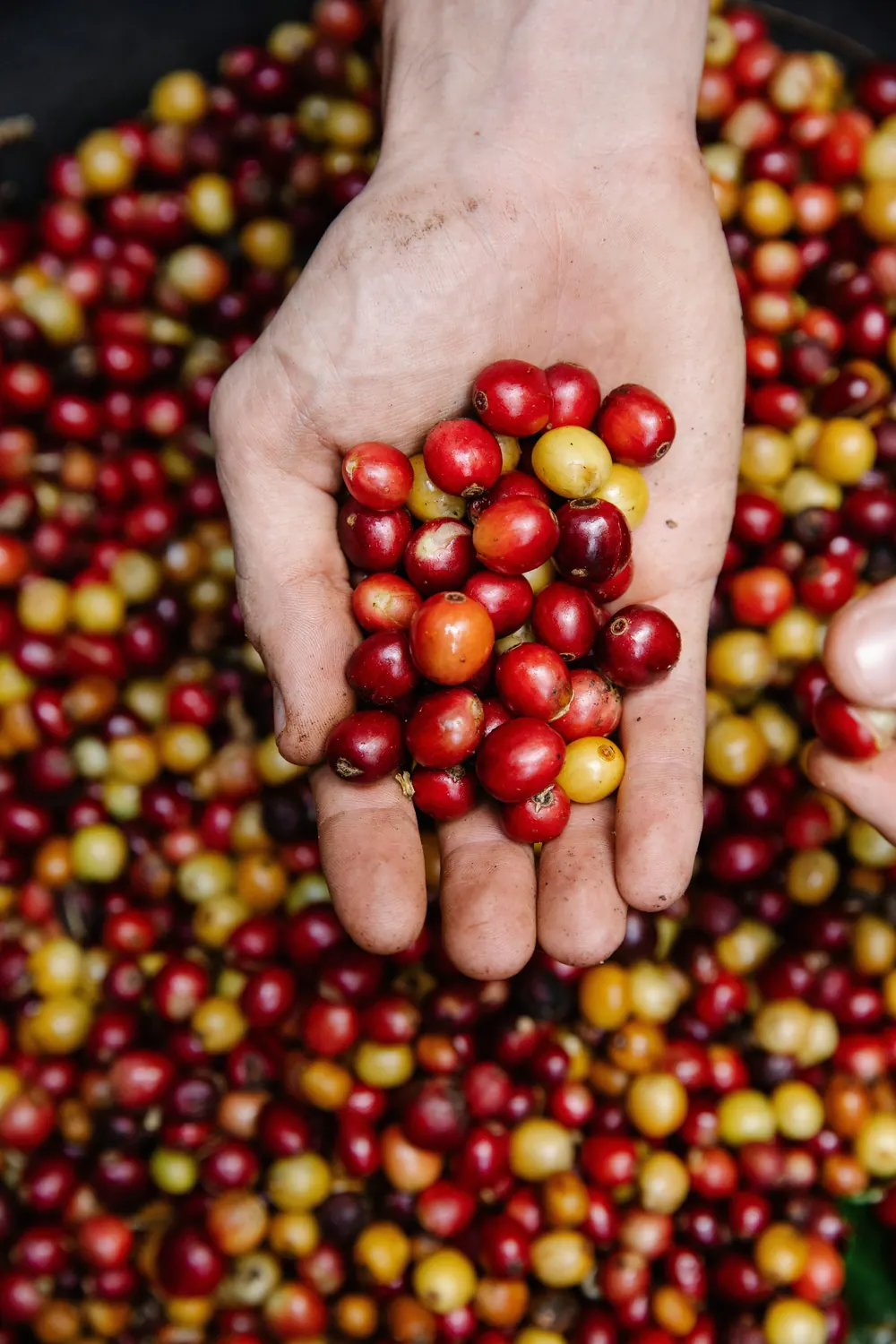
  1. A hand holding a pile of ripe red and yellow coffee cherries.

    01 Choose

    Start with the right lot

    We sample green coffee from importers’ lots and cup each one blind. We only commit to a coffee we would be happy to drink every day for a month.

    Cool, floral, unhurried

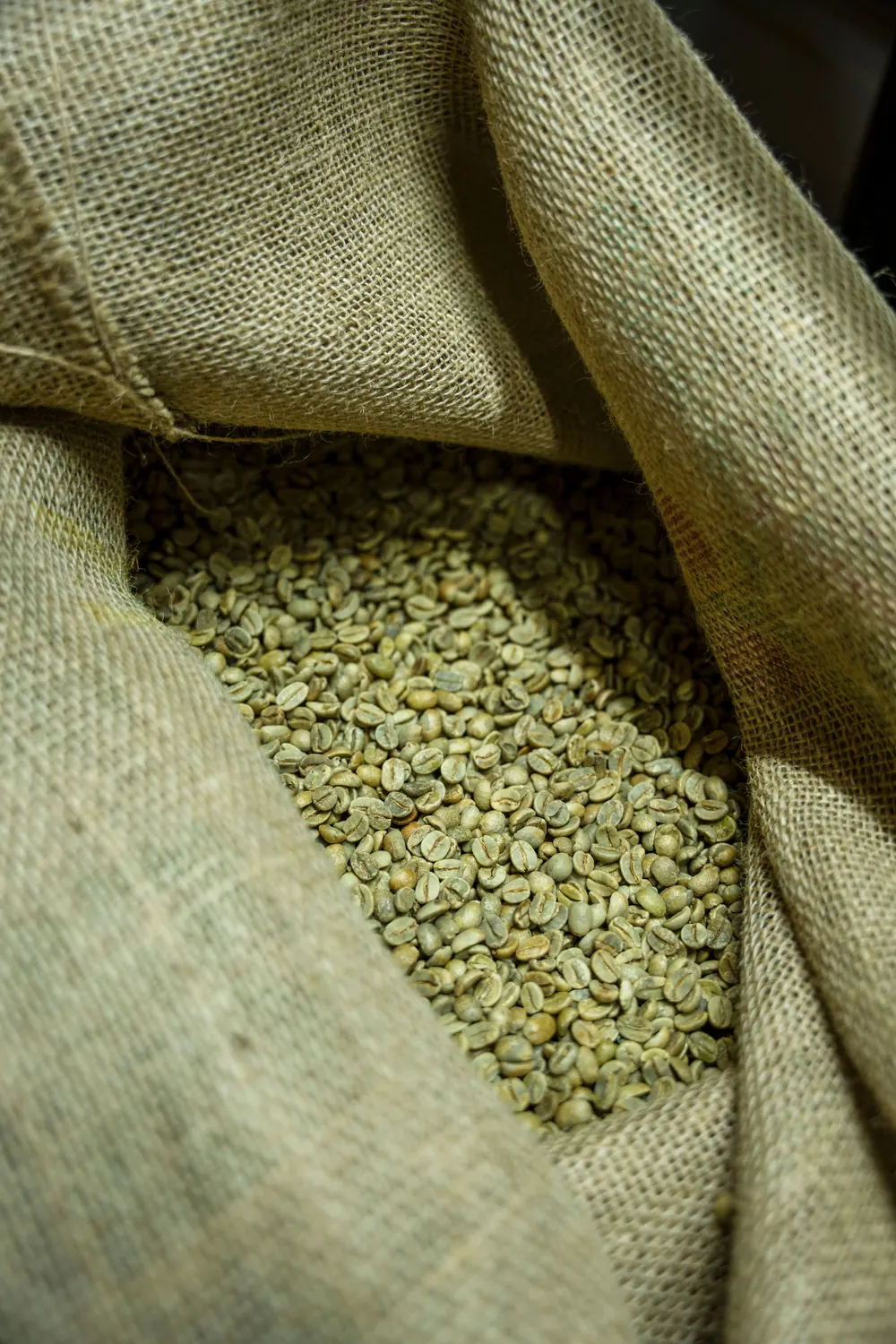
  2. Pale green, unroasted coffee beans in an open jute sack.

    02 Sort

    Weigh, check, rest

    Green coffee is weighed, checked for chips and defects, and stored in breathable jute until roast day. Beans that are not ready do not get roasted.

    Room temperature, jute, patience

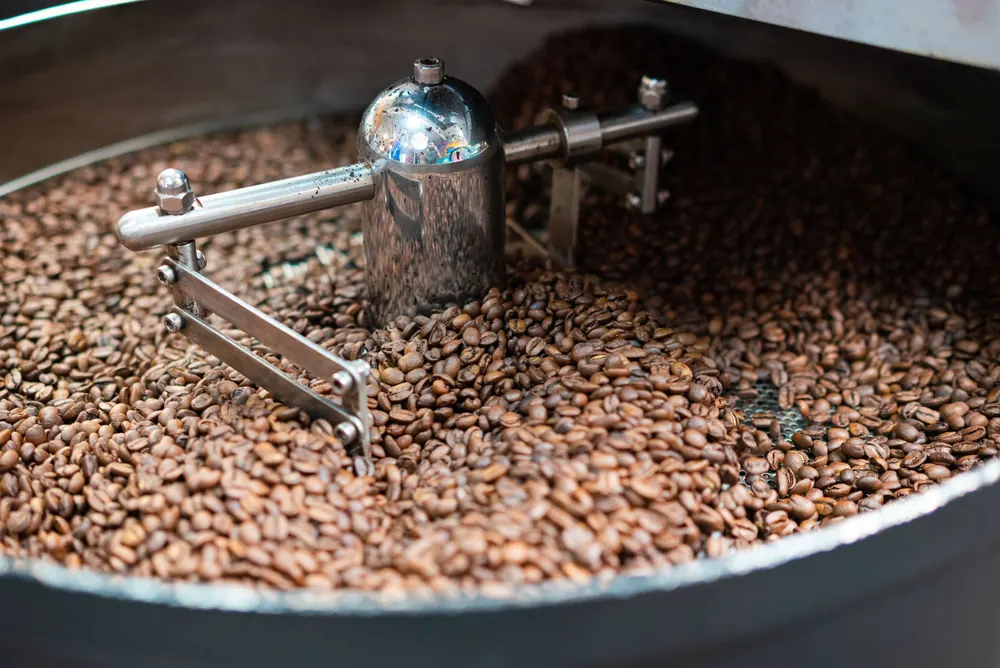
  3. Roasting coffee beans turning in a steel drum beneath a cooling paddle.

    03 Roast

    Gentle first, fire last

    A 12 kg drum, a written profile for every coffee and notes on every batch. Heat is brought up slowly, then finished with a short, deliberate push. That is the ember.

    Twelve kilos at a time

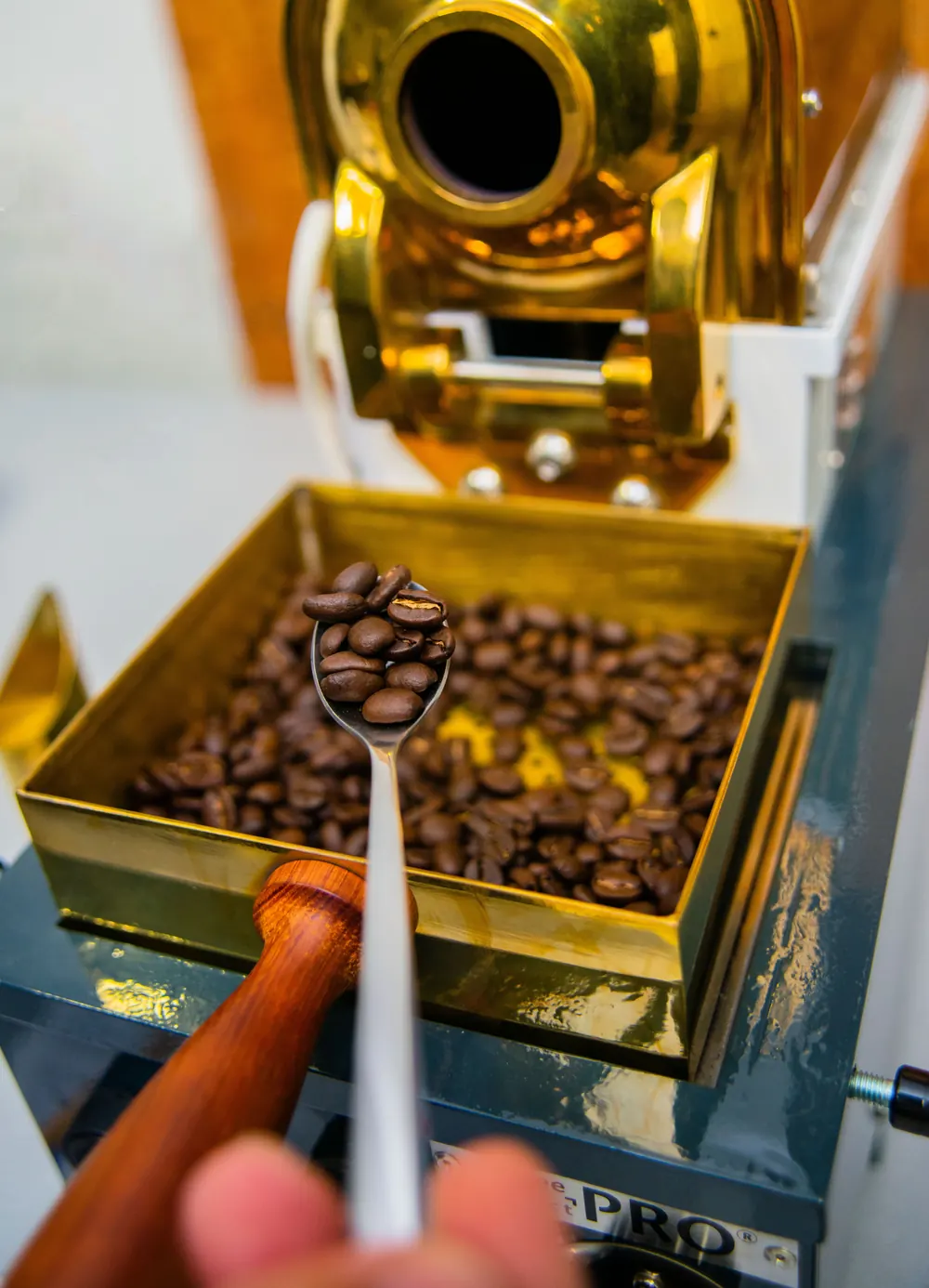
  4. A brass cooling tray of freshly roasted beans with a spoon lifting a few out.

    04 Rest

    Cool fast, rest slowly

    Beans leave the drum and are cooled within minutes. Then they rest for 48 hours so the gases settle and the flavour comes into focus before anything is bagged.

    Forty-eight hours of waiting

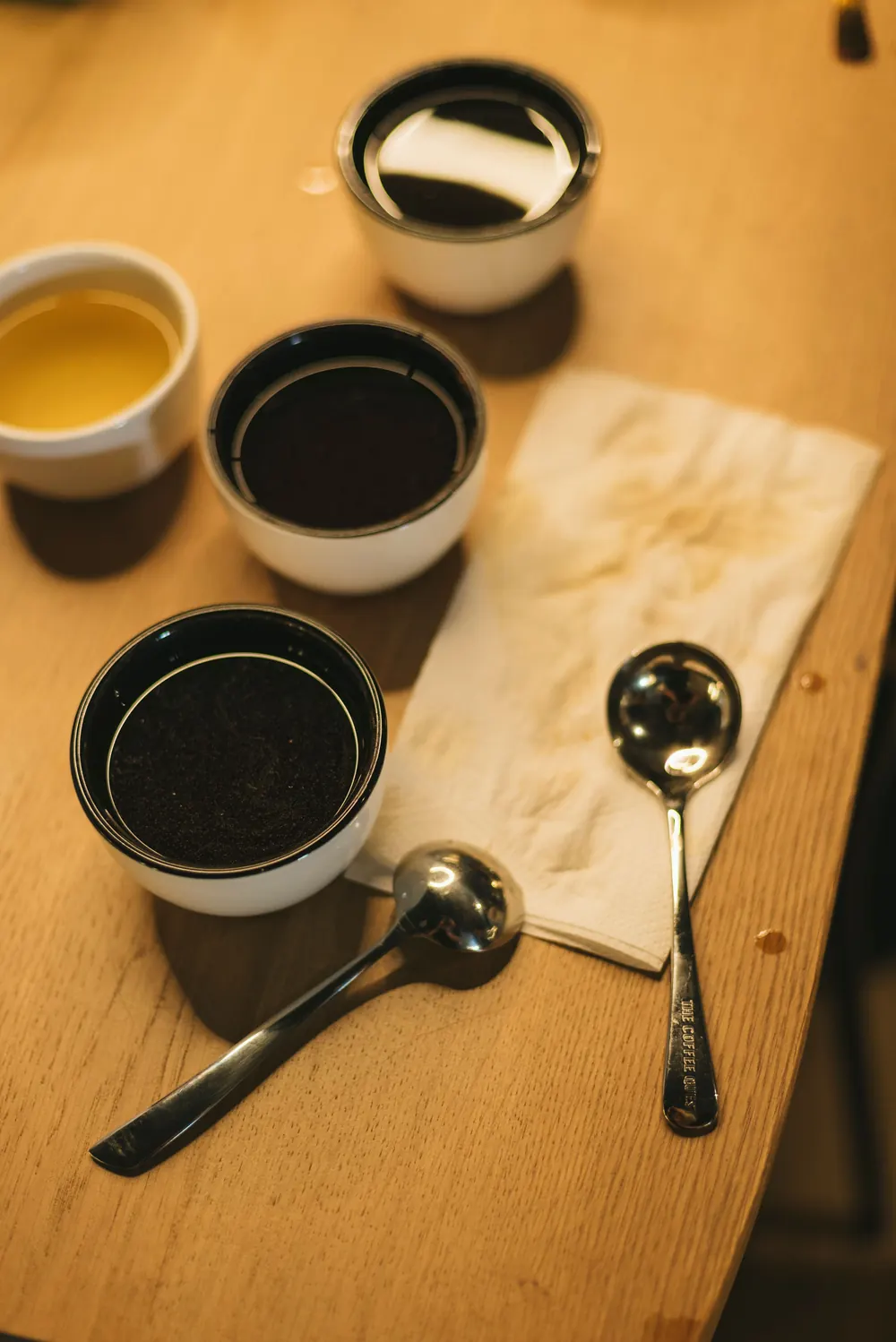
  5. Small cups of coffee and spoons laid out on a wooden table ready for tasting.

    05 Cup

    Taste before it leaves

    Every batch is cupped before it goes into a bag. If it does not taste like the coffee we meant to roast, it does not go out. The bag is the last step, not the first.

    Spoon, slurp, decide

Good to know

Questions, answered.

Still wondering about something? Write to us and we will get back to you.

Is Tide & Ember a real business?

No. Tide & Ember is a fictional roaster created for this demonstration. The coffees, details and numbers are invented, and nothing on this page can be bought. The photographs are free-to-use stock images, credited on the credits page.

Which coffee should I try first?

Use the Match me picker above. If you like fruity, tea-like coffee start with Harbour Light. If you like something sweet and easy, start with Driftwood. If you want something dark, rich and good with milk, start with Salt Marsh or Night Tide.

What grind size should I use?

Roughly: very fine for stovetop moka, fine for espresso, medium for filter and pour-over, coarse for a plunger pot. Each coffee’s recipe card above gives a starting point. If a cup tastes sour or thin, grind a little finer. If it tastes bitter or dry, grind a little coarser.

Should I buy whole bean or ground?

Whole bean, if you can. Coffee starts losing aroma soon after grinding. We would only offer ground coffee in a real launch if you tell us which brewer you use, so we can match the grind.

How long does a bag stay fresh?

Coffee tastes best from about a week after roasting up to roughly six weeks. We rest every batch for 48 hours before bagging. Keep the bag closed, in a cool, dark cupboard, not in the fridge or freezer.

How is the decaf made?

Low Tide is decaffeinated with an ethyl acetate process, which uses a compound found naturally in sugarcane. The beans are decaffeinated while green, then roasted by us in the usual way.

Can I order online?

Not here. This site is information only: it has no basket, checkout or payments. To ask about availability, wholesale for a café or anything else, use the contact section to prepare a message.

Do you offer wholesale for cafés and offices?

Wholesale would be a conversation, not a form. Tell us what you serve, how much you pour and what machines you have, and we would suggest a coffee and a roast schedule. Pick “Wholesale enquiry” in the contact section to start a draft.

Get in touch

Send us a message in a bottle.

Questions about a coffee, a brewing problem or something for your café? Write a note below. We will help you put it into an email you send yourself.

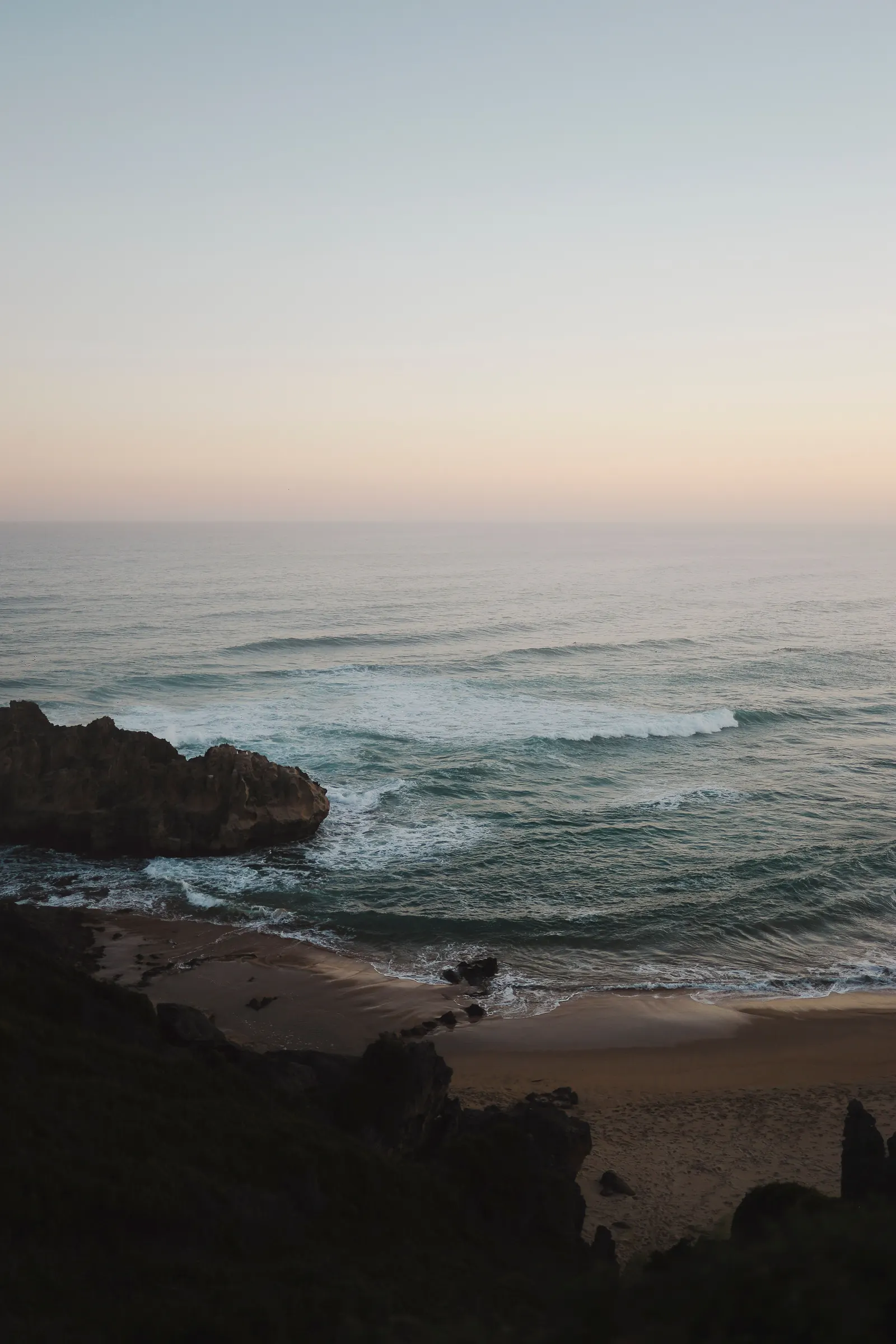
A quiet shoreline at dawn, with a pale sky and gentle waves rolling in over dark rocks.

Draft your note

This page does not send anything. “Open in my email app” prepares a draft in your own email program. You review it and press send yourself. The address below is a placeholder, because Tide & Ember is fictional.

Email (placeholder)
hello@tideandember.example
Roast days
Tuesday and Friday
Where
A fictional harbour, somewhere cold and bright